Ingegneria
From the Strait of Hormuz to Artificial Intelligence: Engineering the Green Alphabet for a Sustainable Future
Published on 31 March 2026
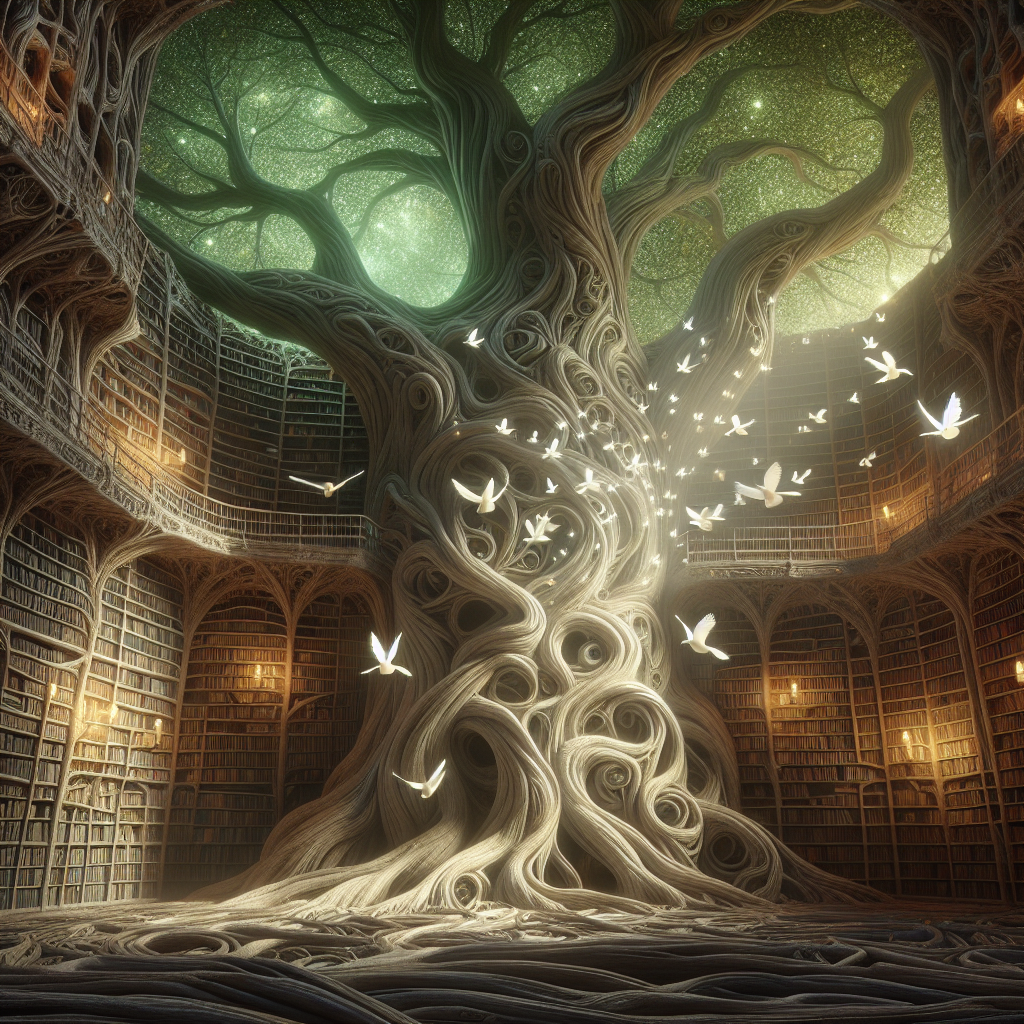
Recently, on one of those splendid sunny days when my photovoltaic system produced enough energy to power my home's heating system 24/7 and recharge my electric car, I found myself reflecting on a seemingly unusual connection. My 'arborescent brain' short-circuited between three elements: a children's story, energy geopolitics, and the architecture of an Artificial Intelligence system.
It all starts with a personal project: Nathan's Stories (www.nathansstories.com), an AI-powered platform I developed to generate fairy tales for my son.
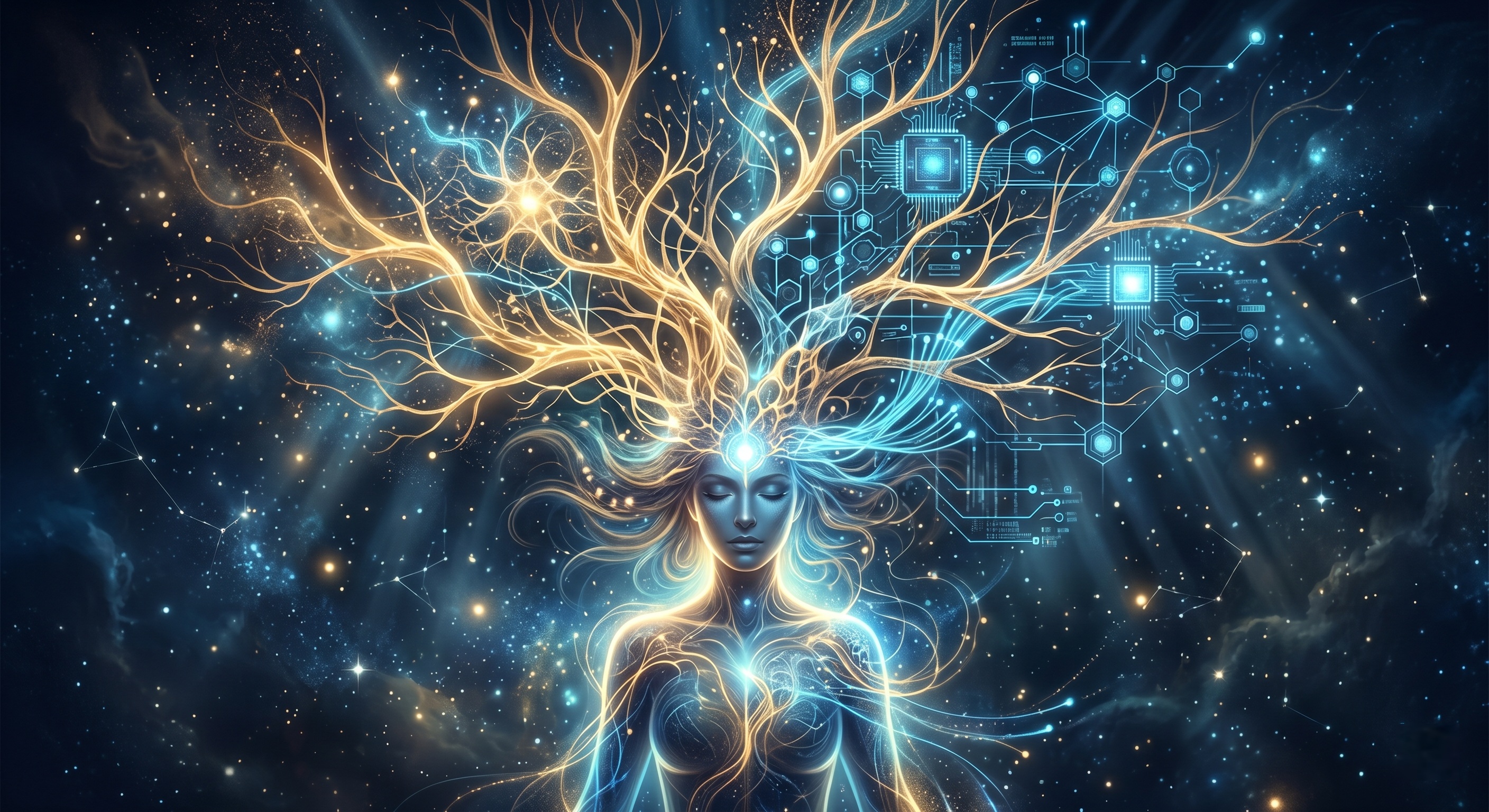
In one of these system-generated stories, there's talk of the Bibliosphere of the Unborn, a place guarded by Grandpa Aurelio, a thousand-year-old oak tree. Aurelio is worried because his branches are turning gray: "Humans are forgetting the Green Alphabet," he says, explaining that the pages of books remain blank until someone, in the real world, takes action to protect nature. The forest is reborn only when a little girl decides to plant an acorn in her garden, returning its vital ink to the oak.
As an engineer, reading this AI-generated output, I couldn't help but look at my rooftop and think about the Strait of Hormuz.
The Energy Dichotomy: Hormuz vs. Local Autonomy
Hormuz is the global bottleneck. It represents the old paradigm: a world dependent on fossil extraction, centralized, fragile, and constantly under tension. It is the exact representation of the "gray branches" Grandpa Aurelio talks about in the fable. A system that consumes the planet's ink.
On the other side is the "acorn" planted in the garden. In the real and engineering world, that acorn is distributed energy independence.
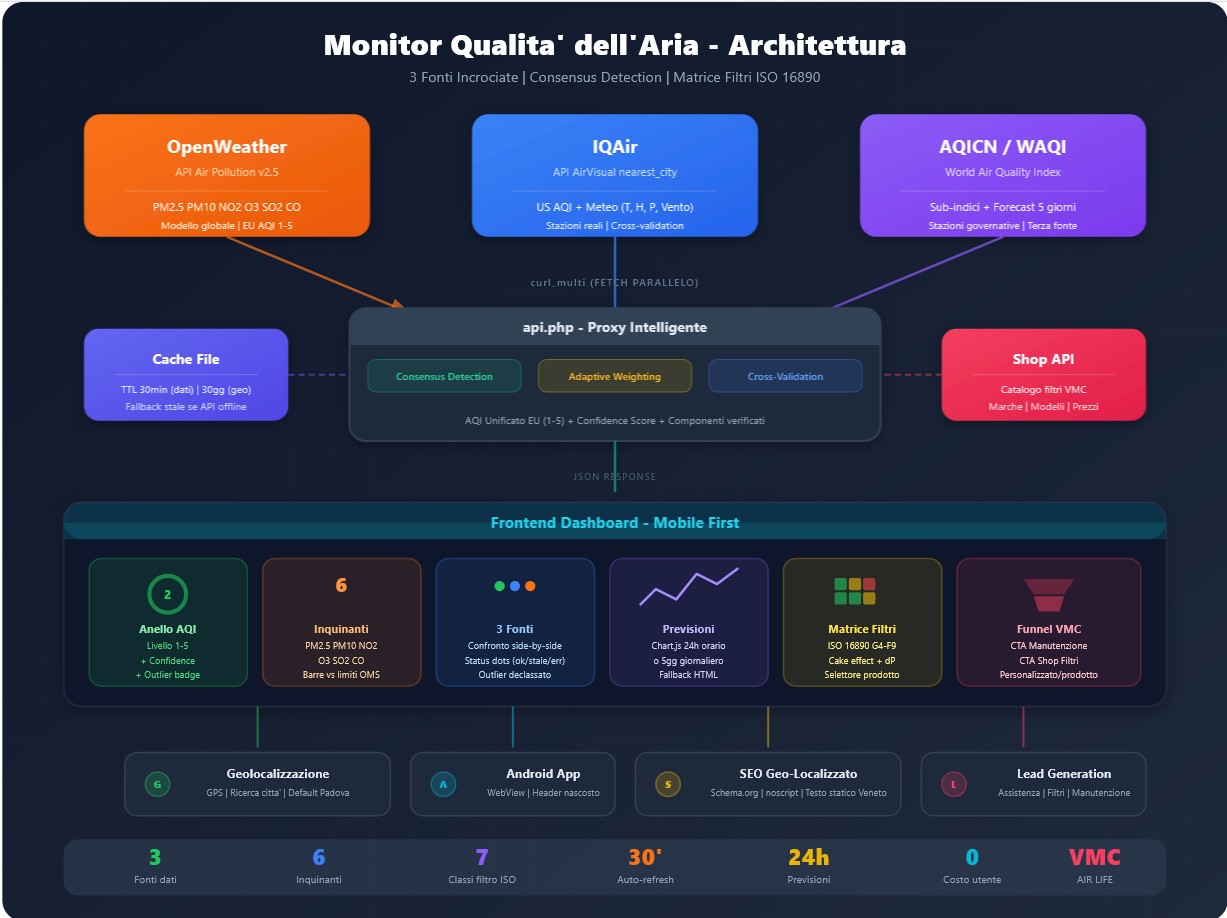
My eco-sustainable home is not magic; it's applied engineering. The solar panels act like Aurelio's leaves: they capture light and transform it. This guarantees me not only energy for electric mobility but also for heating and intelligent air management.
We have transitioned from an era where energy supply was endured to an era where it is designed. And Artificial Intelligence is the bridge to narrate and manage this transition.
Behind the Scenes: The Engineering of Nathan's Stories
To make a child (and perhaps many adults) understand the importance of this new "Green Alphabet," poetry alone is not enough. A solid infrastructure is needed. Behind Grandpa Aurelio's fable is not just a prompt thrown into ChatGPT, but a complex system architecture that I personally designed.
Nathan's Stories (currently at v2.0) is an Autonomous AI-Driven Flat-File CMS. No heavy relational databases, but a Flat-File First architecture (with TTFB < 50ms) that makes it resilient and ultra-performant.
The heart of the system is divided into 5 Autonomous Engines:
- Creative Cluster: An engine based on Gemini 1.5 Flash that, via daily CRON jobs, generates stories by cross-referencing 104,000 unique combinations to avoid repetitions (Anti-Repetition System v3.0).
- Adaptive Cluster (Growth Engine): This is the true engineering magic. The system calculates Nathan's exact age and dynamically injects parameters into the prompt. The site grows biologically with him: vocabulary and ethical themes become more complex as he gets older.
- Multimedia Cluster: Automated integration with DALL-E 3 for visual generation (with pre-set rendering styles) and OpenAI TTS-1 HD for multilingual speech synthesis.
- Engagement Engine: A GDPR-compliant system for tracking interactions, visualized via a 3D globe (Globe.GL) where each "like" lights up a neon star.
- Social Automation: An engine that, by interfacing with Meta Graph APIs, autonomously publishes the processed content.
The True Message for the Future
Why did I build such a software architecture to tell fairy tales?
Because the way we build software, infrastructure, and buildings reflects the mindset we want to pass on.
Teaching my son the "Green Alphabet" means making him perceive as normal a world where the house produces its own energy, where the air we breathe indoors is clean and controlled, and where technology and Artificial Intelligence are not alien entities, but formidable tools to manage complexity and write new chapters of our history.
Nature is the first author, as Grandpa Aurelio says. But we are the engineers tasked with building the library that will safeguard its books.
Power to engineering.
Ing. Marco Maretto